

In this blog we talk to air purification and VIRUSKILLER air technology expert Daniel Maris from Radic8, about improving indoor air quality in the workplace.
Rentokil Initial’s Global Hygiene Reset Report highlighted just how much the pandemic has changed our perception of air quality. Of the 20,000 global respondents, 71% of people are more concerned now about the impact of poor air quality in a public venue on their health than before the pandemic.
I caught up with Daniel Maris, Regional Sales Manager – EMEA and resident Indoor Air Quality Expert from Radic8 Global to ask a few questions that have been on my mind regarding air quality, specifically regarding the workplace and how we compete with heaters and offices with limited airflow.

Since COVID-19 there is more awareness around air quality and the way viruses and bacteria can spread through the air. Do you find that people have started associating indoor air quality with health?
There’s no doubt that SARS-CoV-2 has shone a spotlight on the state of our indoor air quality (IAQ). The renewed interest in indoor air has meant that air pollution issues of all kinds — not just airborne viruses and bacteria — are once again a focus of public attention. And this includes the kinds of health issues exacerbated by VOCs, traffic pollution, particulate matter, dust, pollen as well as the consequences of breathing recirculated air.
Media coverage continues to champion the need to rethink our approach to the air inside, and the growth of the air purification market is a clear sign that the health implications are starting to become mainstream.
Does improving indoor air quality mean improving productivity in the workplace?

There’s a definite link between work performance and air quality. I think you’ve written about that in one of your previous blog posts: Poor indoor air quality directly affects productivity.
How is indoor air affected when you close doors and windows to keep cold air out in winter?
Indoor air quality is a mix of temperature, humidity, oxygen levels, and concentration of airborne contaminants. While keeping the windows and doors closed gives us better control over temperature, it comes at a cost to those other factors.
Humidity levels drop below what is considered ideal. Oxygen levels decrease and we begin breathing an excess of carbon dioxide. Even worse, airborne contaminants become concentrated due to lack of ventilation, allowing indoor sources of air pollution such as harmful emissions from furnishings, electronic devices, and different kinds of human activity to persist. While increasing comfort for occupants, we should also be seeking measures to mitigate indoor air pollution.
Do office heaters and air conditioners have an impact on air quality in the workplace?
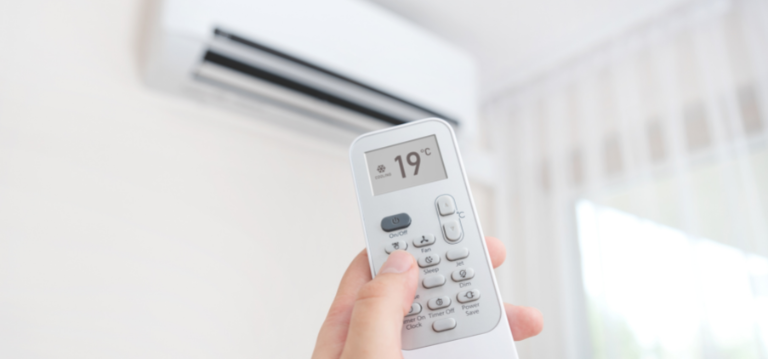
Air conditioners should not negatively affect indoor air quality, provided they are routinely serviced. As you might imagine this is rarely the case as the maintenance of these systems is labour-intensive, disruptive, and expensive. Electric heaters are not a significant concern but gas heaters can quickly increase airborne particulates.
What are things you can do to help improve air quality in buildings that are predominantly closed due to the cold?
The first step to reducing air pollution is of course prevention. Activities that actively pollute the air – such as cooking, smoking, painting, and other0 – should be performed in separate and well-ventilated spaces. If possible, printers and electronic devices associated with emissions should be used in separate rooms.
And it goes without saying that occupants should be discouraged from entering a space when they’re feeling unwell or are potentially infectious. However, actively cleaning the air on an ongoing basis does require dedicated technology. Spaces should be equipped with high-performance filtration and active decontamination devices to ensure high-quality air with minimal disruption to how people use the space on a day-to-day basis.
Who needs to be concerned about indoor air quality?
Everyone! Even very low concentrations of indoor air pollution inhaled over long periods of time have the potential to severely impact health. In the same way that we have the highest standards for the cleanliness of water we drink, so too should we raise the bar for what we consider acceptable indoor air quality.
Are there special measures that need to be taken in areas with high foot traffic or where people gather: schools, places of worship, and call centres?
In highly trafficked spaces, the number one challenge is the potential for viruses and bacteria to spread. When people gather in public indoor spaces, the opportunity to inhale expelled and recirculated air is that much higher.
Conventional filtration can help in all cases, particularly with pollen, dust, VOCs, and other pollutants, but active decontamination is needed to help reduce lingering airborne microorganisms that can more easily accumulate. Careful application of air cleaning devices that feature the ability to decontaminate the air will likely become an expectation we place on our busy spaces.
Indoor air quality is definitely more than just a tick box exercise for Health and Safety Managers, there are measurable benefits to air purification. Contact Ambius today to discuss your clean air requirements.




Leave a Reply